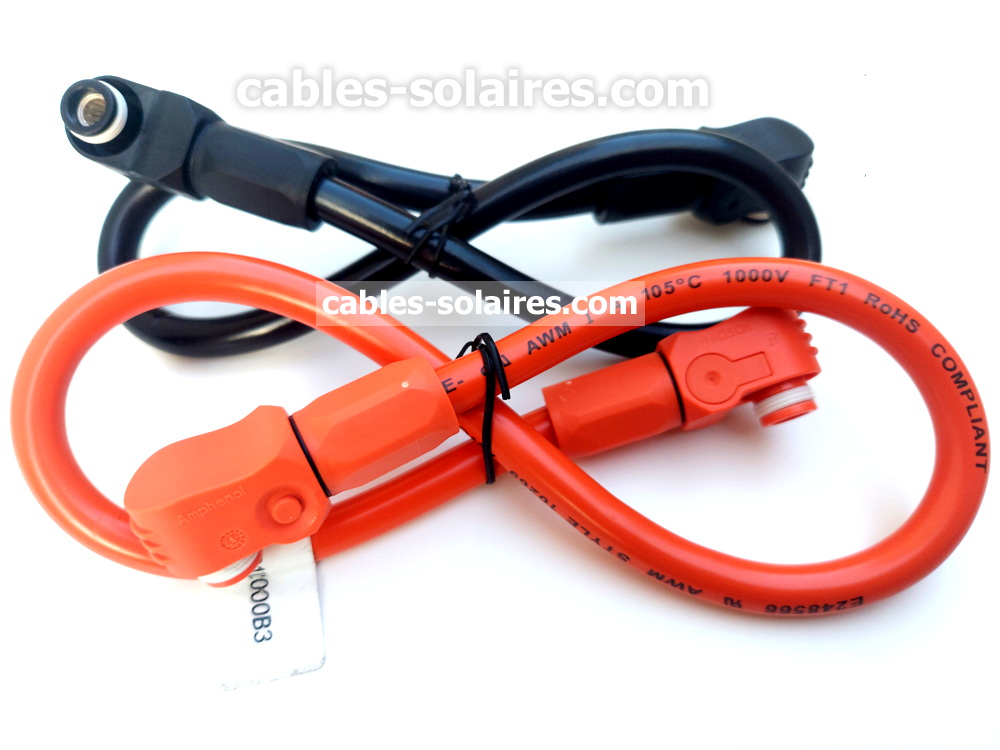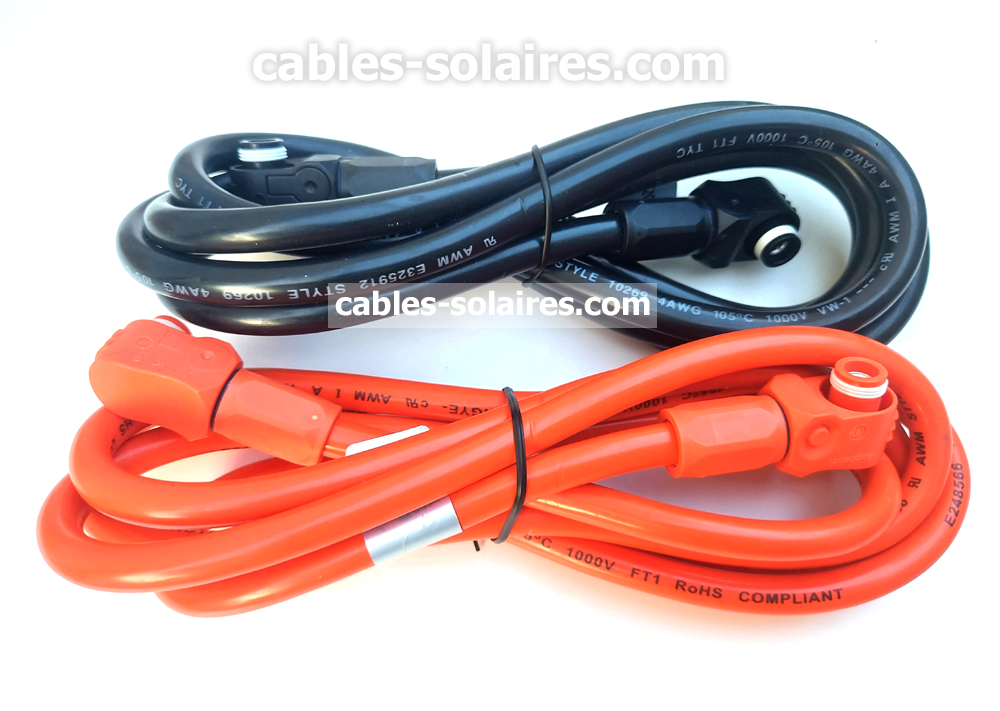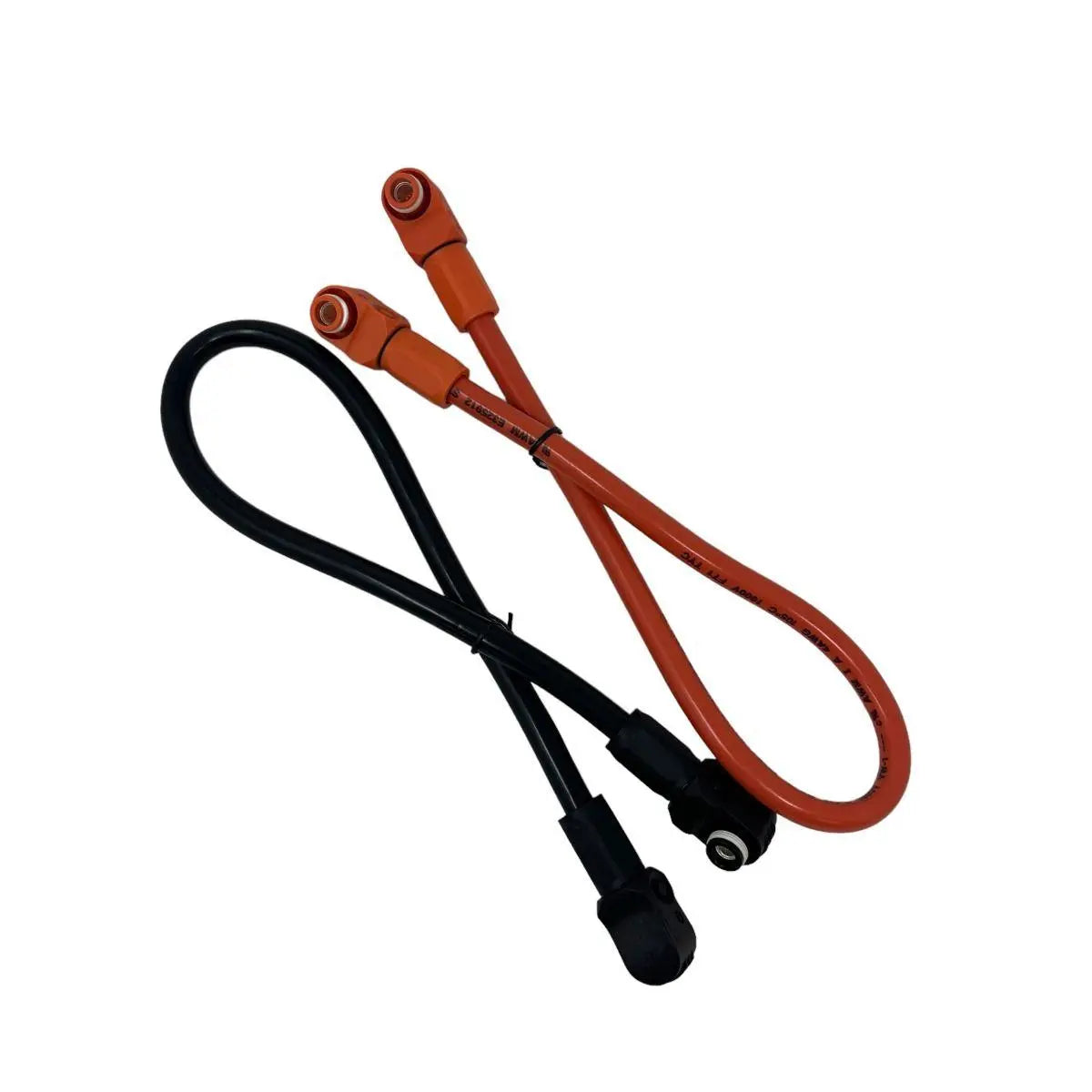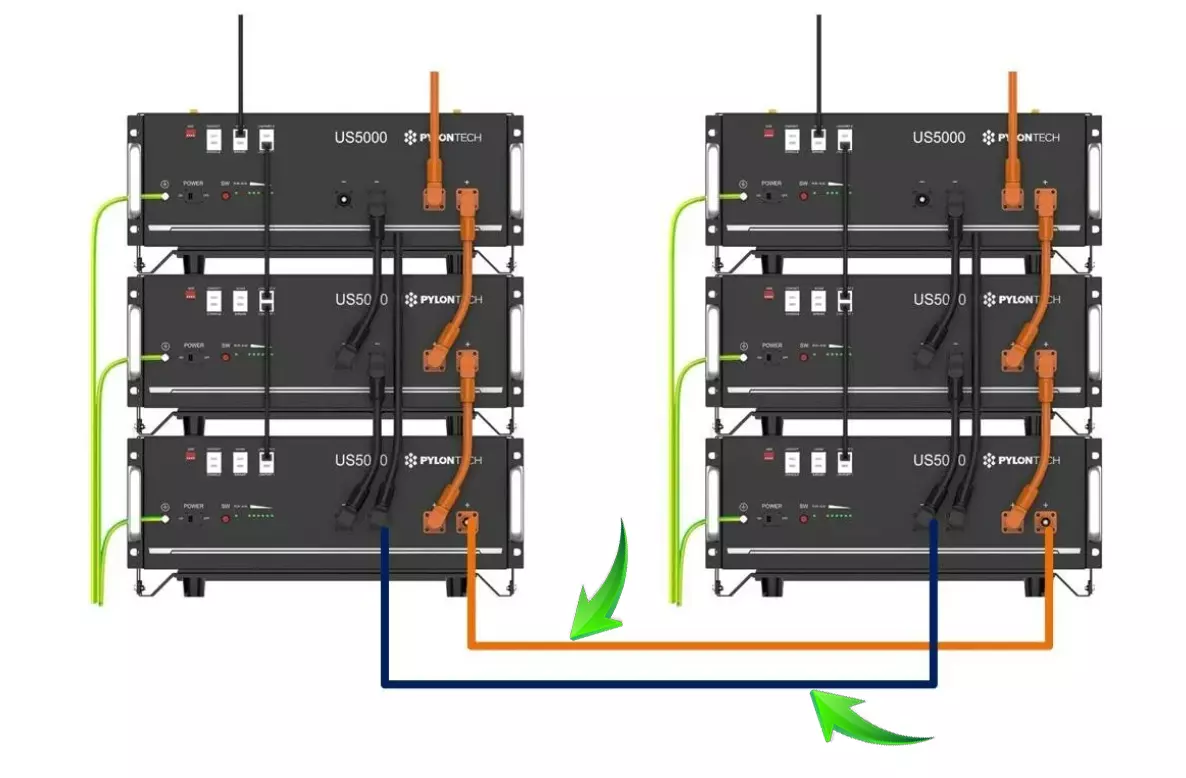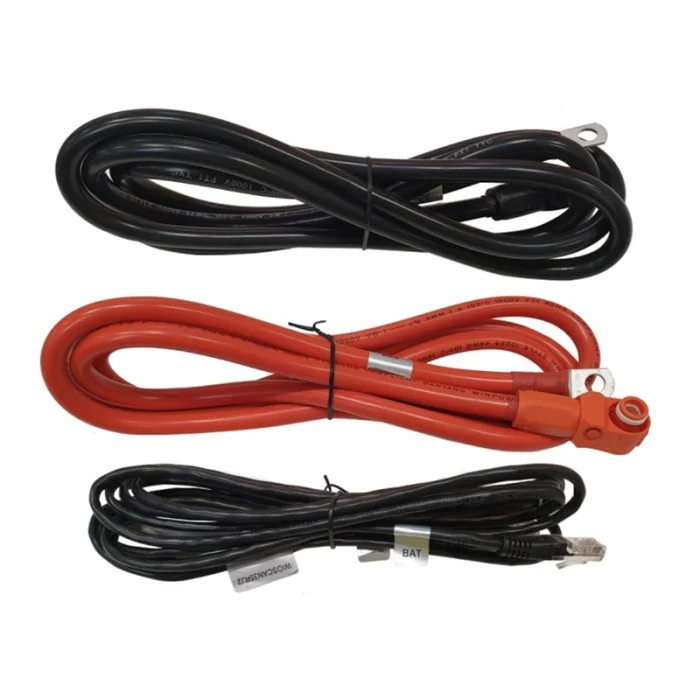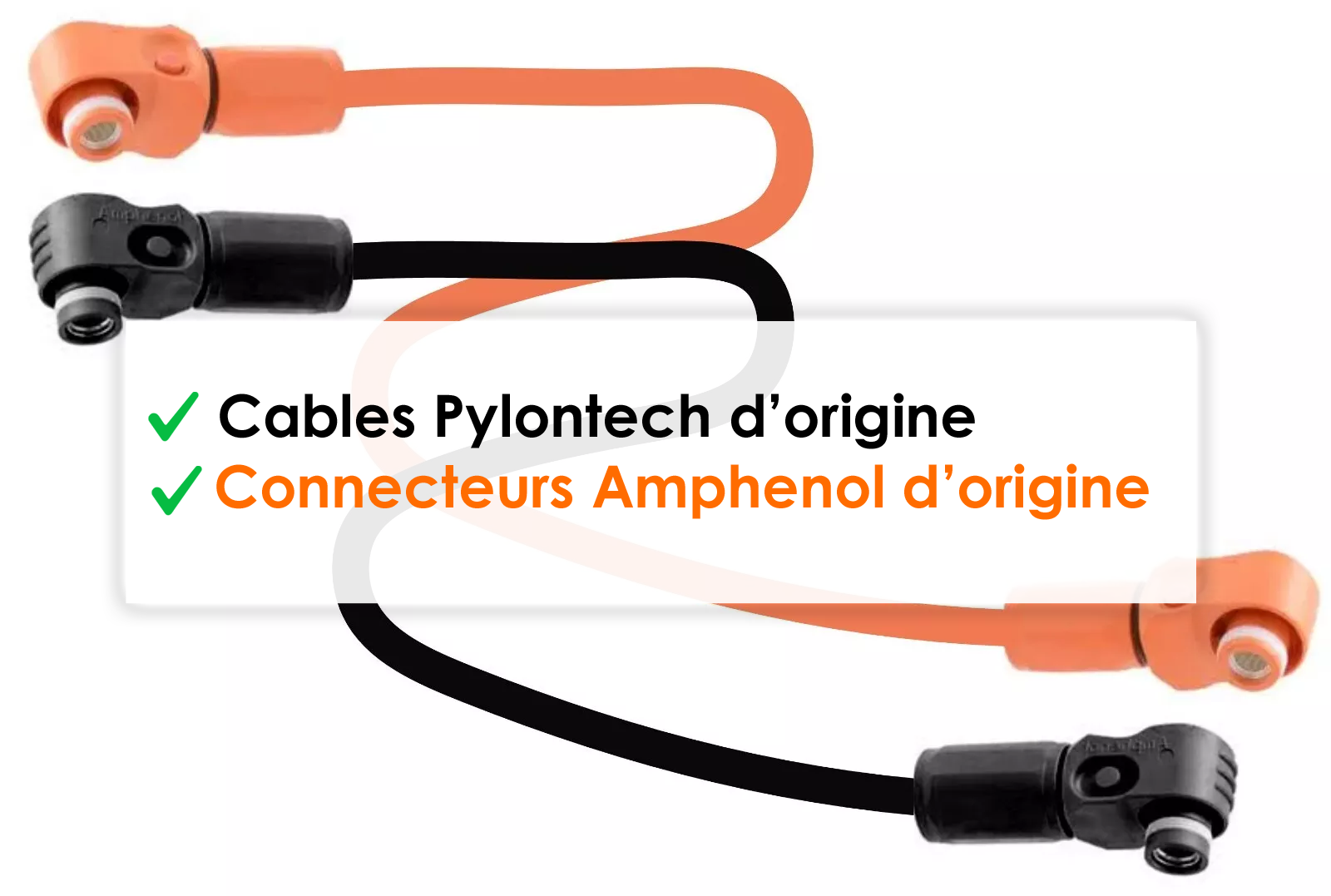
Two cables can look identical at first glance while using very different connector quality. Here is why we only use original Amphenol SURLOK Plus Radsok connectors, and what that actually changes.
The role of the connector in a battery installation
The connector is the electrical contact point between two battery modules, or between a battery and an inverter. It is also the most mechanically stressed point (vibration, connect/disconnect cycles) and the most thermally sensitive (contact resistance). A generic connector can have looser dimensional tolerances, a lower-quality contact plating, or higher contact resistance - three factors that accelerate heating and degradation over time.
What an original Amphenol SURLOK Plus Radsok connector guarantees
- Long-term contact reliability: engineered for thousands of connection cycles without loss of contact quality, which matters for installations meant to last 10 years or more, just like the batteries they power.
- Mechanical stability: maintains constant electrical contact even under vibration or temperature variation, unlike generic connections that can loosen or degrade over time.
- Exact dimensional compatibility: an original connector inserts and locks exactly as intended by the battery manufacturer, with no play or forcing.
A generic connector can look visually close to an original one, but the difference often shows in use: mechanical play when locking, higher contact resistance (the cable runs hotter at the same current), or imprecise dimensional tolerance that makes insertion harder. If you are unsure about a cable you already own, our support team can help identify it.
Why it matters especially with lithium
Modern lithium-ion batteries can deliver high currents, particularly during charge and discharge peaks. A connector of insufficient quality at this exact point in the circuit can create a localised hot spot - a risk simply avoided by only using original connectors, EPR-insulated and HOFR-sheathed (heat, oil and flame resistant).